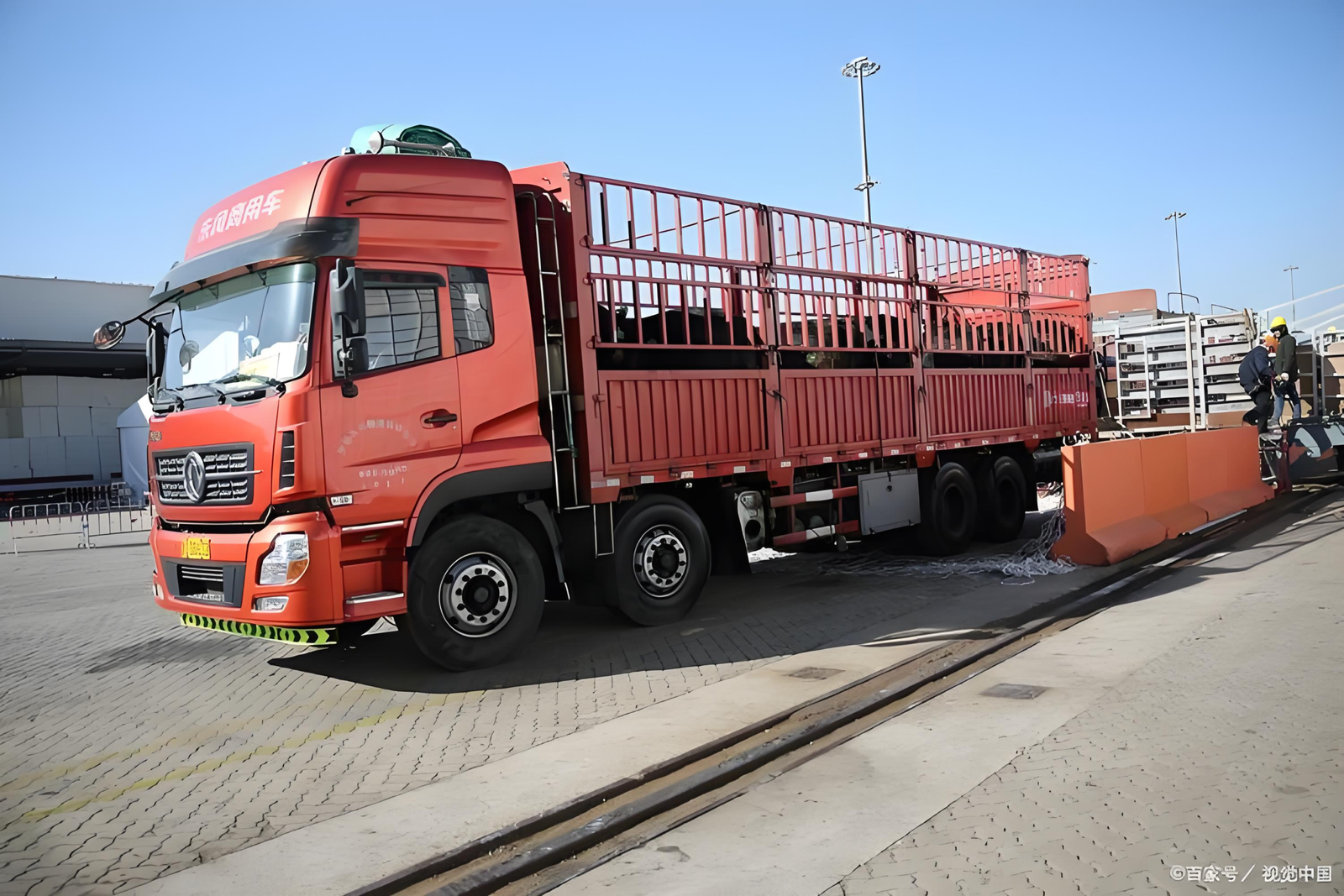










The equipment used:
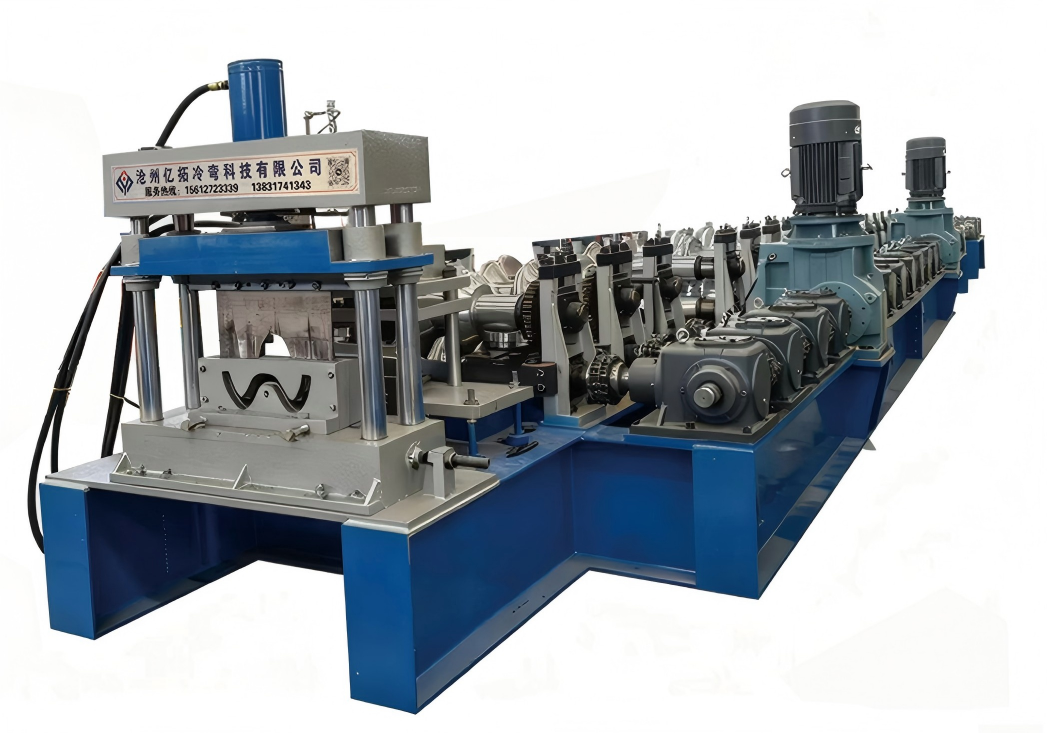
Cold bending forming equipment is the core equipment in the production of highway guardrail panels. Through a continuous rolling process, it efficiently transforms steel coils into the “lifeline” of highway safety.
Core Advantages: Utilizing a continuous forming process, it boasts high production efficiency and nearly 100% material utilization; the cold work hardening effect significantly enhances profile strength; and its precise and consistent dimensions fully meet stringent safety standards.
Key Applications: Directly produces all core components of guardrail panels:
- Anti-collision corrugated beams: The key energy-absorbing main structure.
- Posts: H-shaped or round tubular support posts.
- Supporting components: Anti-blocking blocks, end caps, connectors, etc.
Cold bending equipment ensures high strength, high consistency, and low cost for guardrail products, serving as the cornerstone for the large-scale, standardized construction of passive safety facilities for roads.
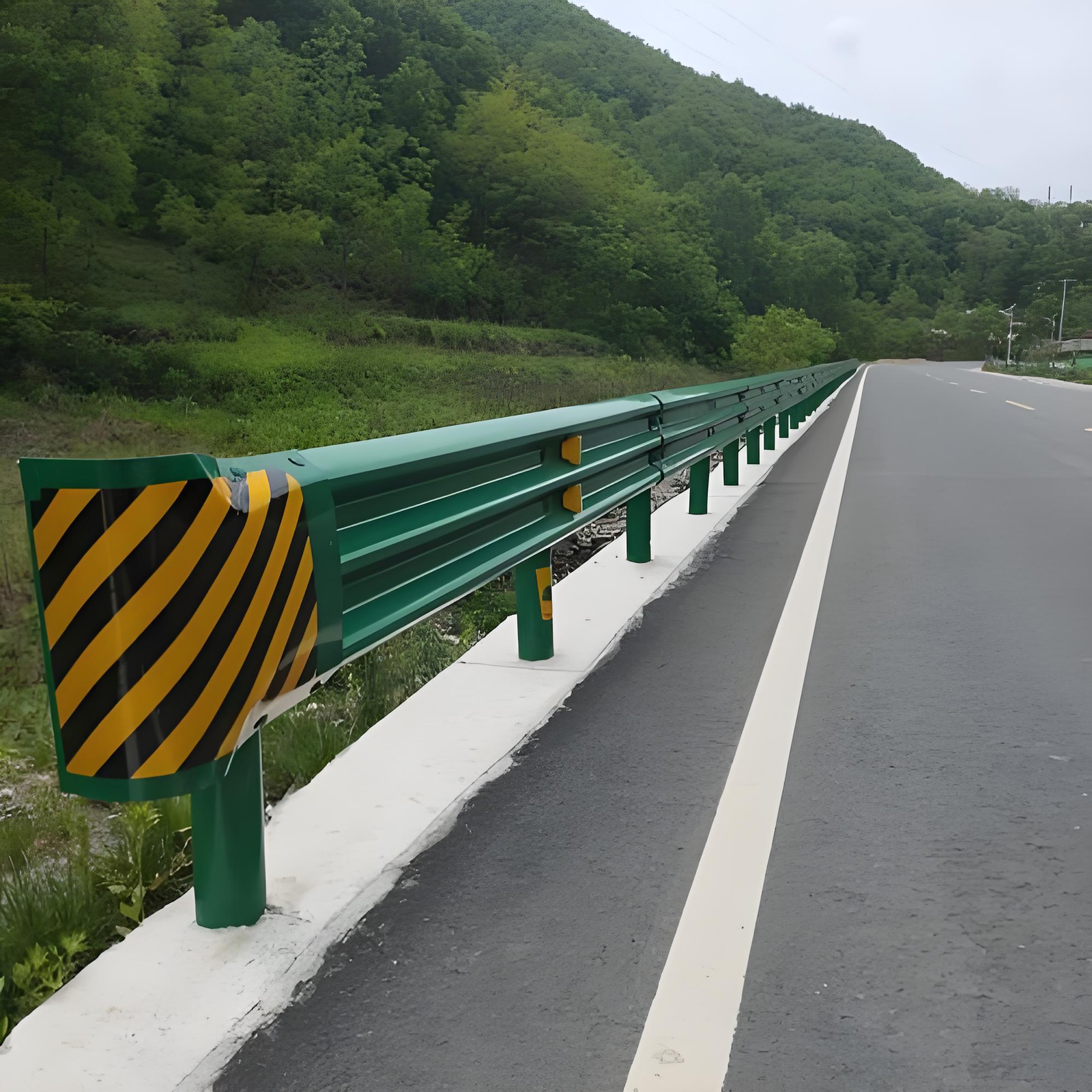
Application scenarios:
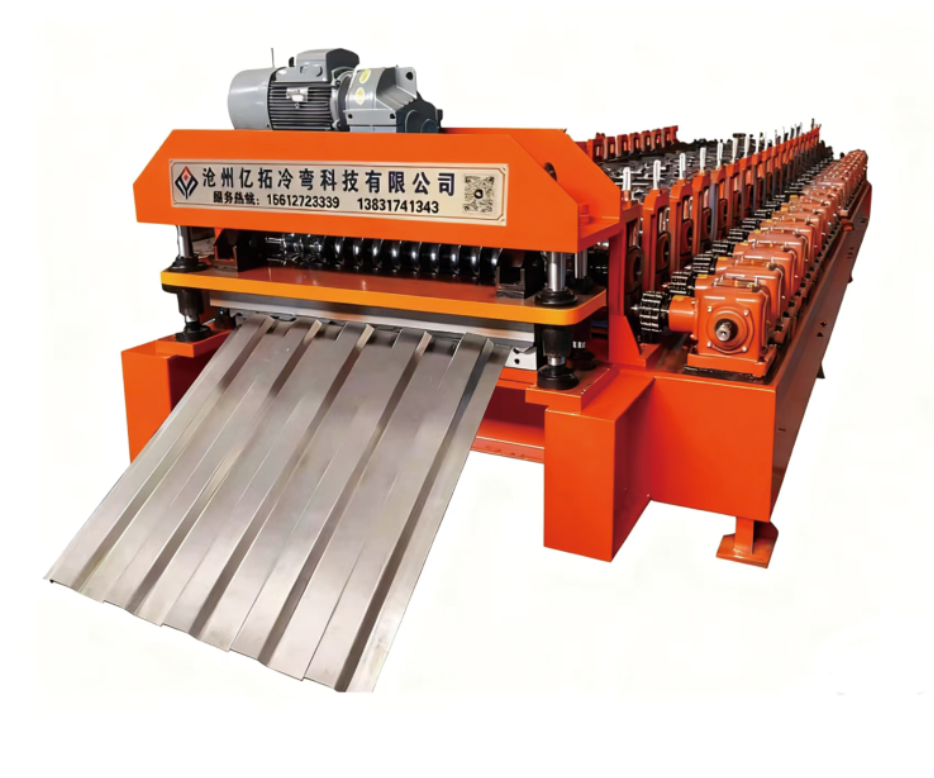
Class II equipment:
Application scenarios:
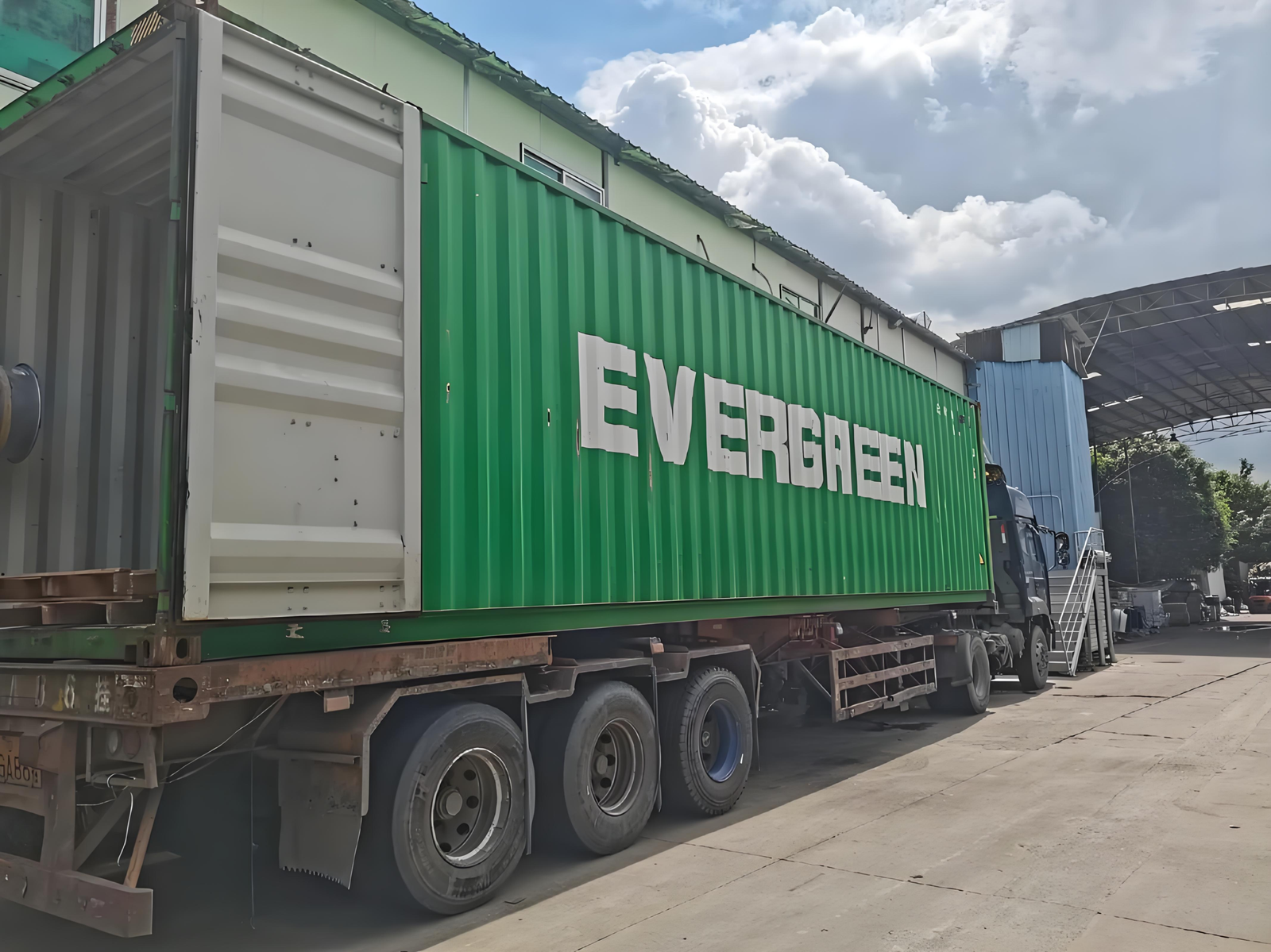
Metal cold bending forming equipment is the cornerstone of logistics equipment manufacturing, providing key structural components for modern logistics through efficient roll forming processes.
Core Advantages: Achieves high-efficiency, low-loss continuous production; cold work hardening enhances material strength; precise forming ensures component interchangeability and assembly efficiency, crucial for meeting the needs of large-scale, standardized logistics equipment production.
Key Applications: Directly forming core structural components for logistics equipment:
- Vehicle chassis frame: Longitudinal beams, cross beams, and cargo box columns of truck chassis.
- Body panels: Corrugated panels, wall panels, and floor profiles for containers and cargo boxes.
- Key accessories: Container door frames, locking bars, and internal racking rails.
The profiles pressed by our equipment directly determine the structural strength, lightweight level, and manufacturing cost of logistics equipment, forming the foundation for efficient land transportation and multimodal transport.